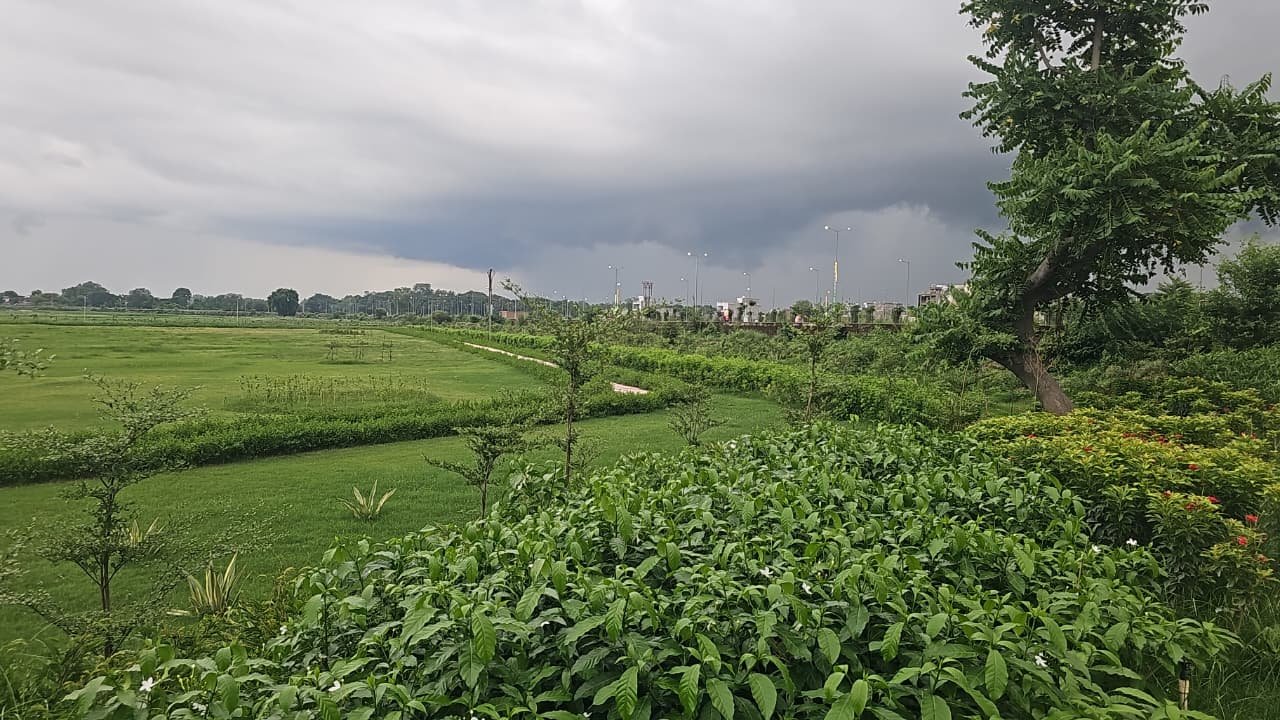
A biodiversity park is a green space created to protect, restore, and showcase the variety of plants, animals, birds, insects, and microorganisms found in a region. Unlike conventional parks, which mainly focus on recreation and landscaping, biodiversity parks are designed to conserve natural ecosystems and create habitats for wildlife.
These parks often include native trees, shrubs, medicinal plants, wetlands, grasslands, butterfly gardens, and water bodies. Native vegetation provides food and shelter for birds, butterflies, bees, and other pollinators. Wetlands and ponds also support aquatic life while helping recharge groundwater and regulate local temperatures.
Biodiversity parks play an important role in combating climate change. Trees and vegetation absorb carbon dioxide, reduce air pollution, provide shade, and help control urban heat. They also reduce soil erosion and improve rainwater absorption. By restoring natural habitats, these parks strengthen local ecosystems and help protect endangered or declining species.
Beyond environmental benefits, biodiversity parks provide valuable opportunities for education and research. Students, researchers, and visitors can observe nature closely and learn about local flora and fauna. Nature trails, interpretation centres, bird-watching areas, and guided activities can encourage environmental awareness among communities.
In rapidly growing cities, biodiversity parks offer a valuable balance between development and nature. They create peaceful spaces for people while protecting ecological resources for future generations. A well-planned biodiversity park is therefore not simply a landscaped area; it is a living ecosystem that supports wildlife, improves human well-being, and contributes to a healthier and more sustainable environment.
Landscape garden structure is not merely construction—it is strategic organization of space. It blends engineering with aesthetics, ensuring the garden is not only attractive but also functional, stable, and sustainable.
Plants decorate a garden.
Structure defines a garden.
A well-structured garden does not just look good—it performs beautifully for years.
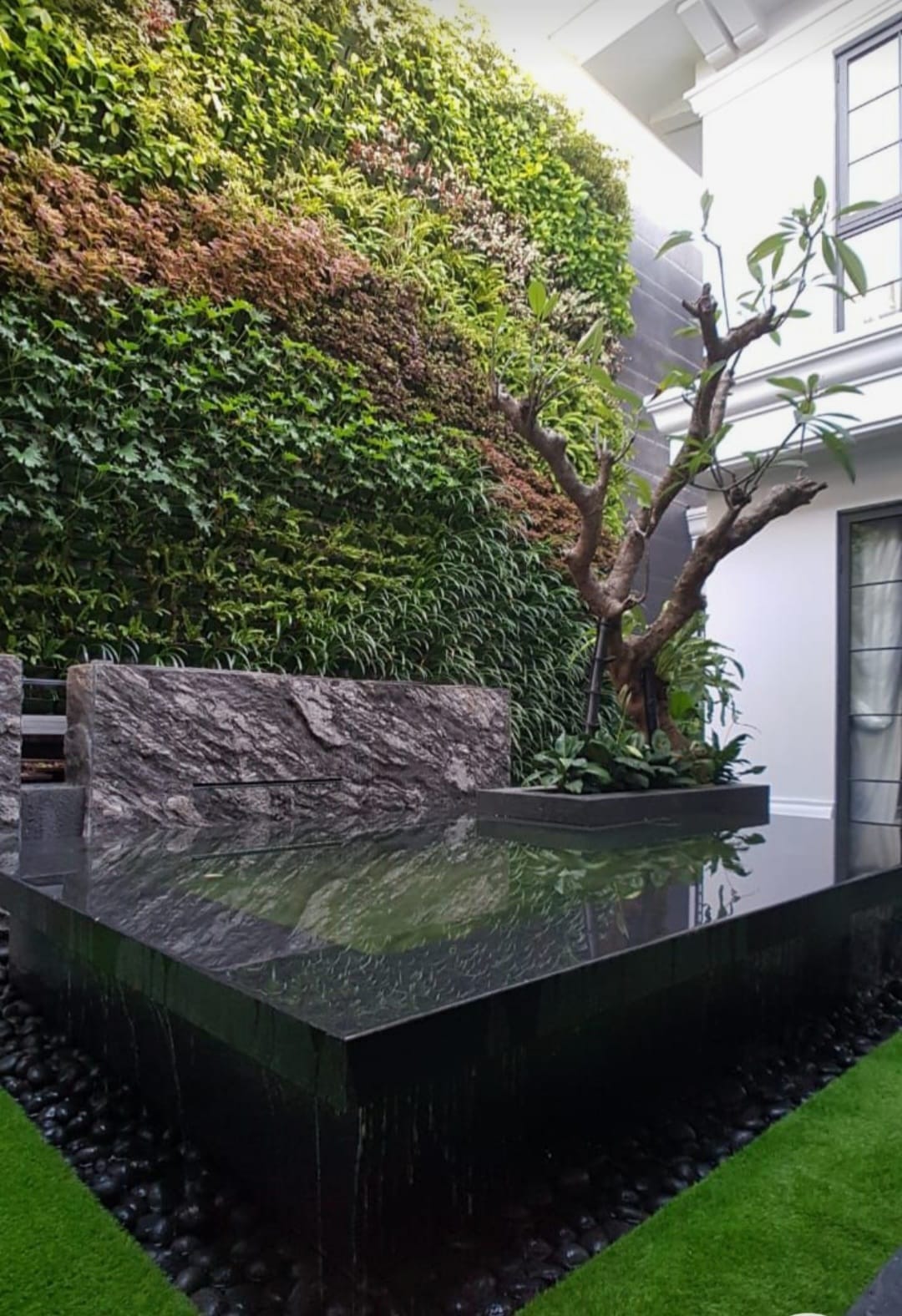
“Our objective is to create a garden structure that is visually appealing, functionally efficient, environmentally suitable, and built for long-term performance.”
The selection of structural elements depends on your garden size, lifestyle needs, aesthetic preferences, and budget. After assessing the site, we recommend a balanced mix of functional and visual features such as pathways, seating areas, pergolas, lawns, or water features to create harmony and usability without overcrowding.
We design structures with durability and ease of maintenance in mind. Material choices, layout simplicity, and accessibility are planned to minimize long-term upkeep. During the proposal stage, we clearly outline installation costs, maintenance implications, and lifecycle expectations to ensure transparency.
Yes. Every design is developed after evaluating soil condition, drainage, slope, sunlight, and environmental factors. This ensures that pathways, decks, walls, and plant zones remain stable, functional, and safe over time.
Absolutely. We incorporate flexibility in our designs wherever possible. Provisions for future additions such as extra seating, water features, or green zones can be planned without disturbing the core layout.
We use quality-tested materials and follow professional installation standards. Proper foundation preparation, leveling, waterproofing (where required), and skilled workmanship ensure structural longevity. Additionally, site supervision and quality checks are conducted throughout execution.
117/, Naveen Nagar, Kanpur, UP
Developed By : Nanoglint Technologies